AQUACULTURE
-
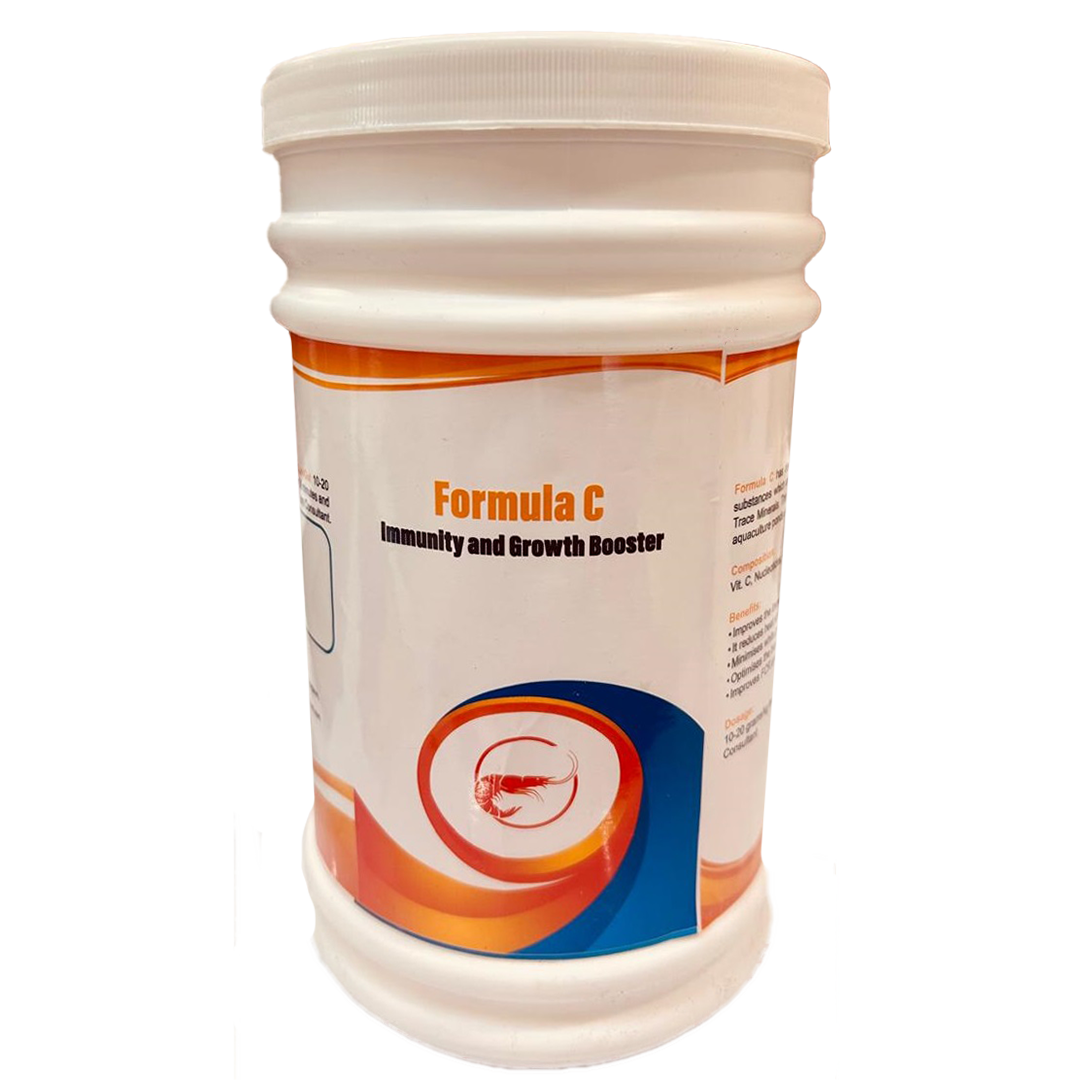
Fish lack L-Gluconolactone oxidase enzyme, which is responsible for the synthesis of vitamin C, and therefore to fulfill their vitamin C requirements from…
-
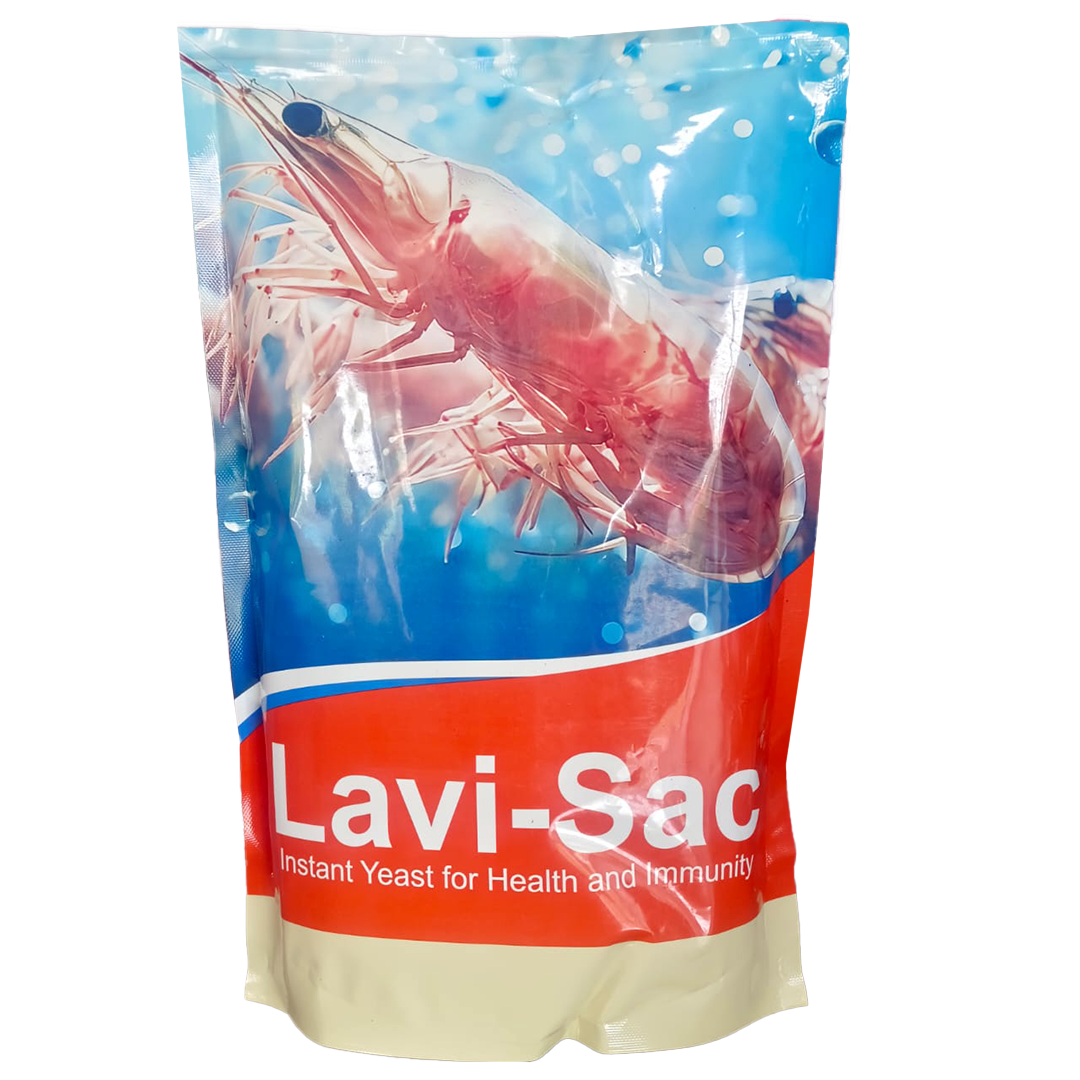
Yeast supplements and yeast-containing feed ingredients lead to the higher protection against diseases and to the better productivity of…
-
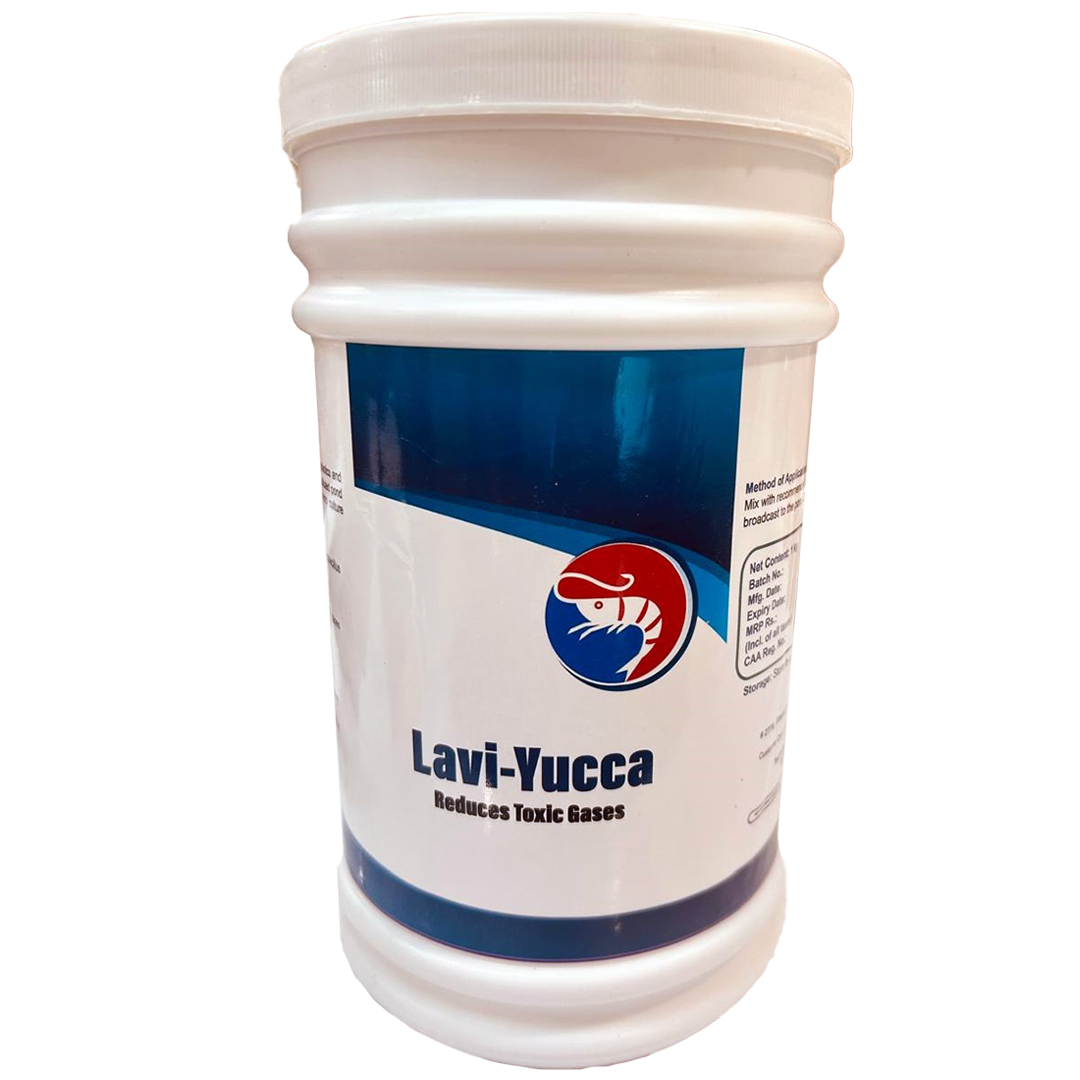
Yucca schidigera is rich in Saponins and phenolic compounds that have antioxidant effects, with high levels of steroidal and…
-
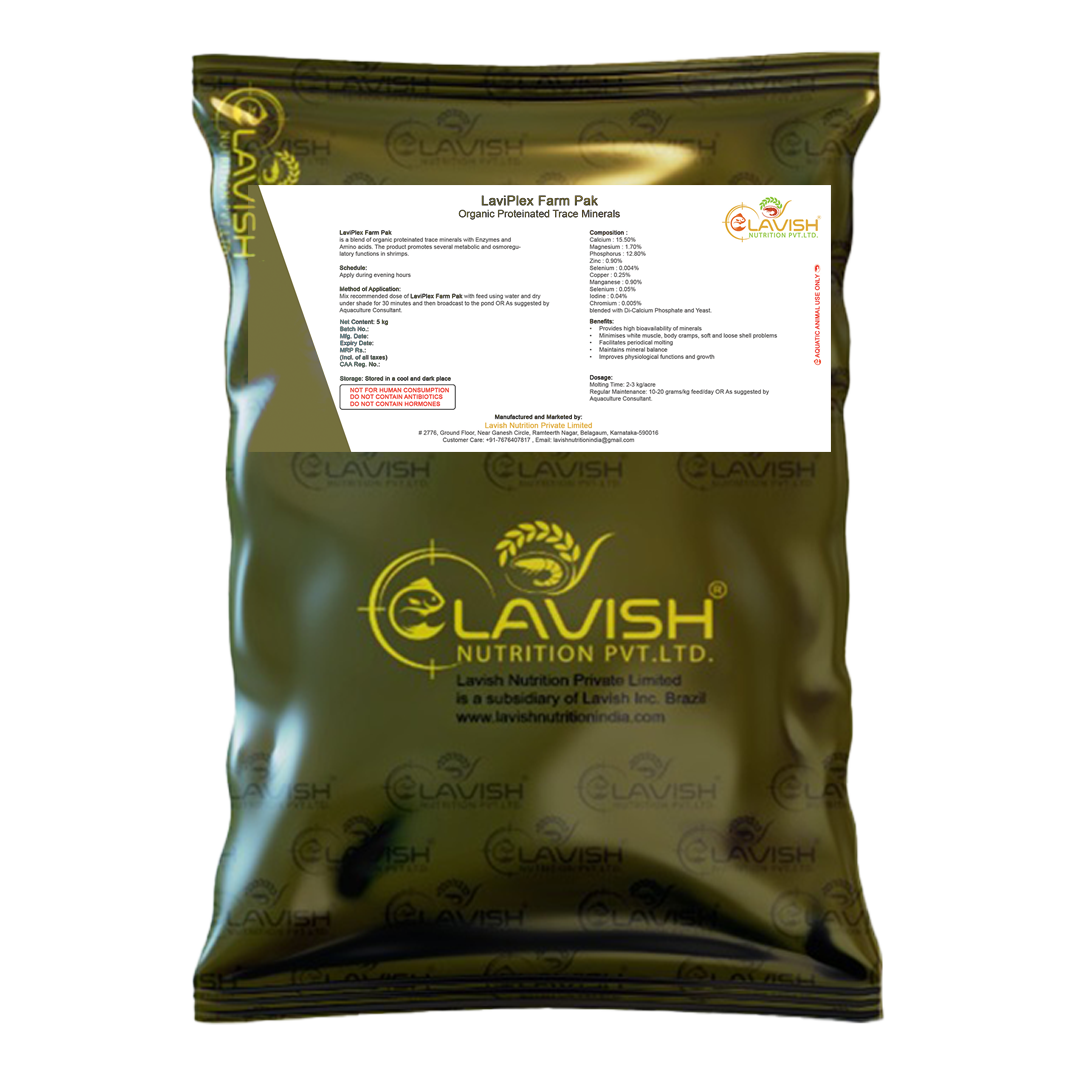
Minerals play a vital role in soft tissues, enzymes, some vitamins, hormones and respiratory pigments which are essential for…
-
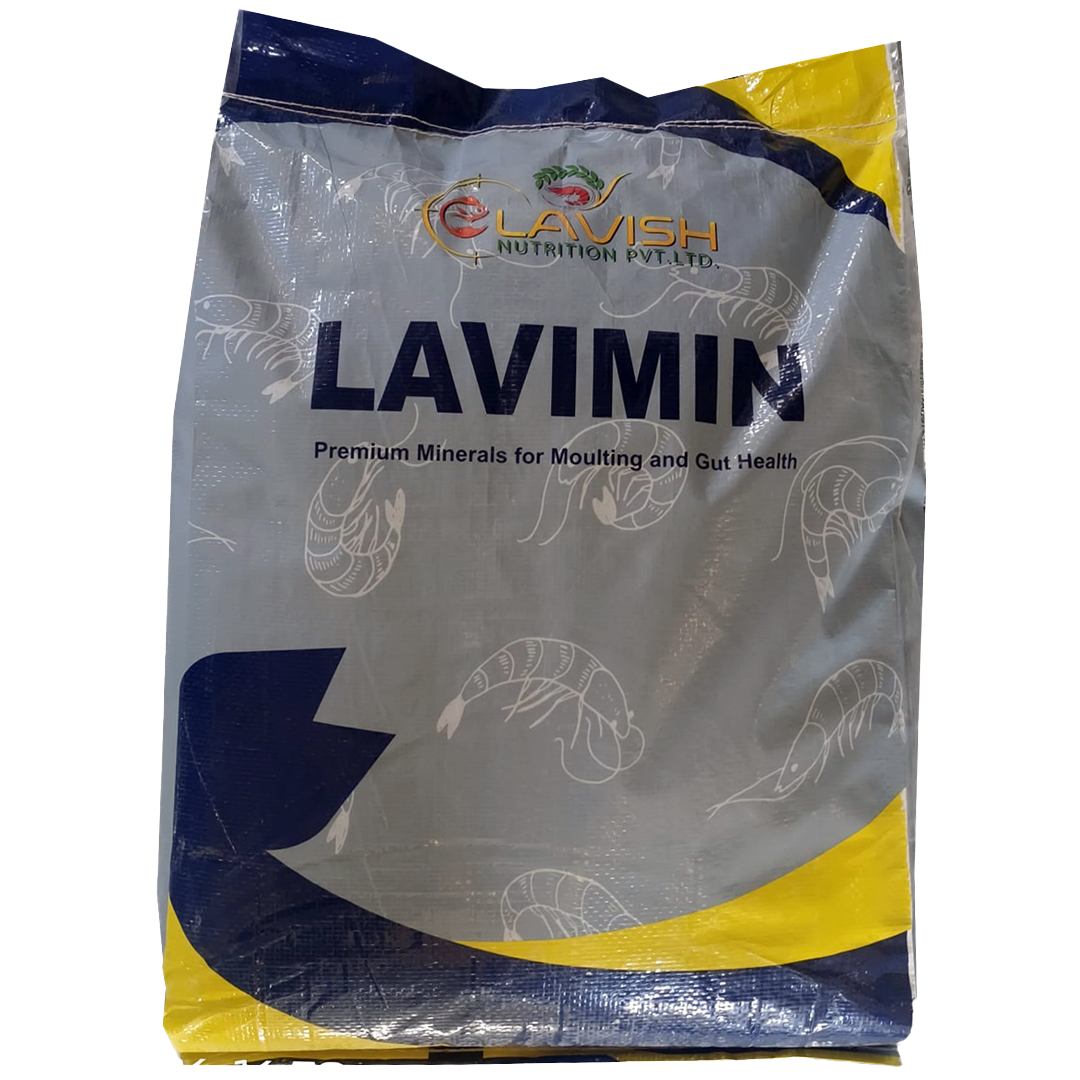
Shrimps are subjected to the periodical moulting cycle and hence the bio-availability of minerals for successful molting is very…
-
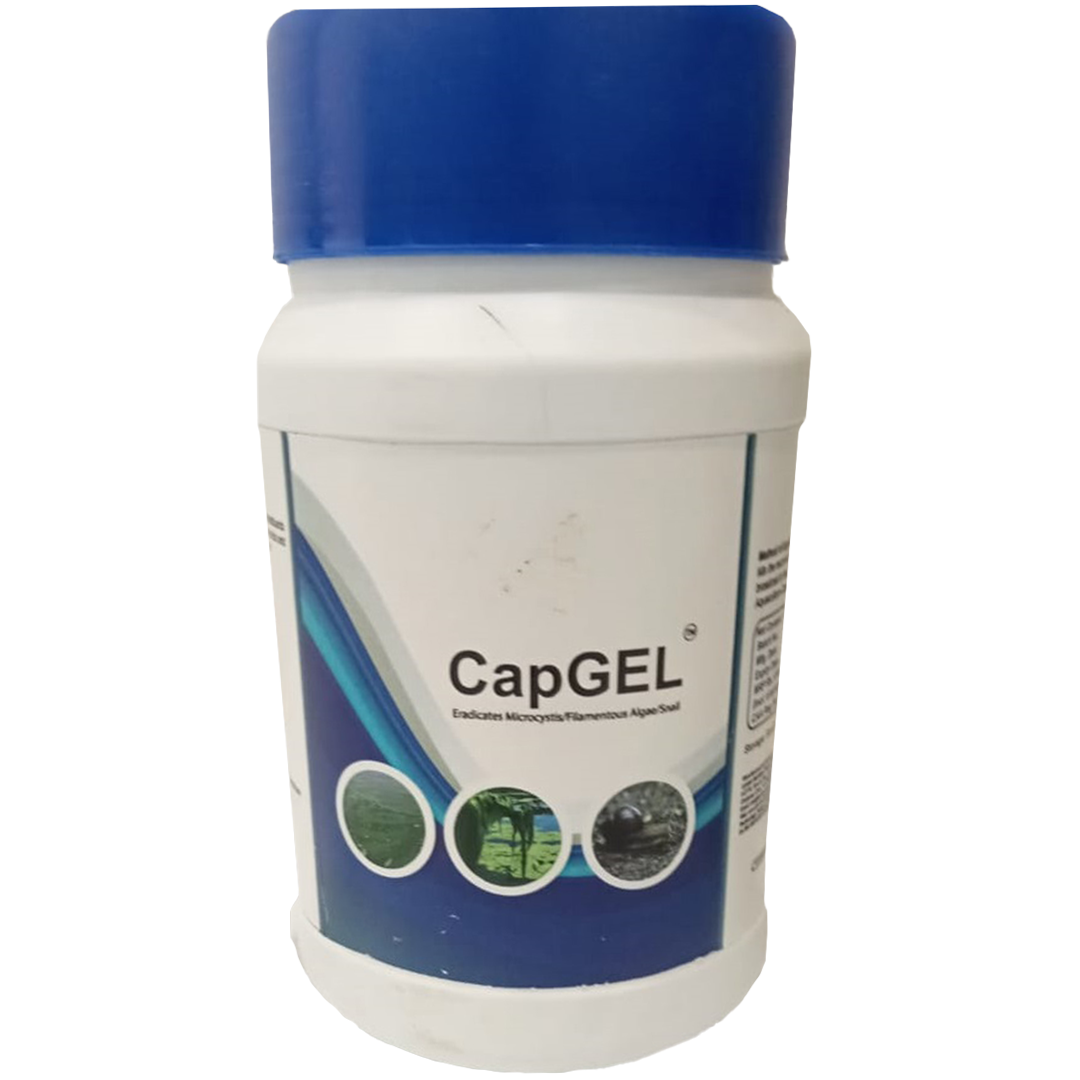
Bad Algae which are referred to as cyanobacteria, Blue-Green Algae (BGA) or Harmful Algal Blooms (HAB), do not serve…
-

In intensive aquaculture culture systems, feeding increases accumulation of organic matter in pond leading to higher oxygen demand at…
-
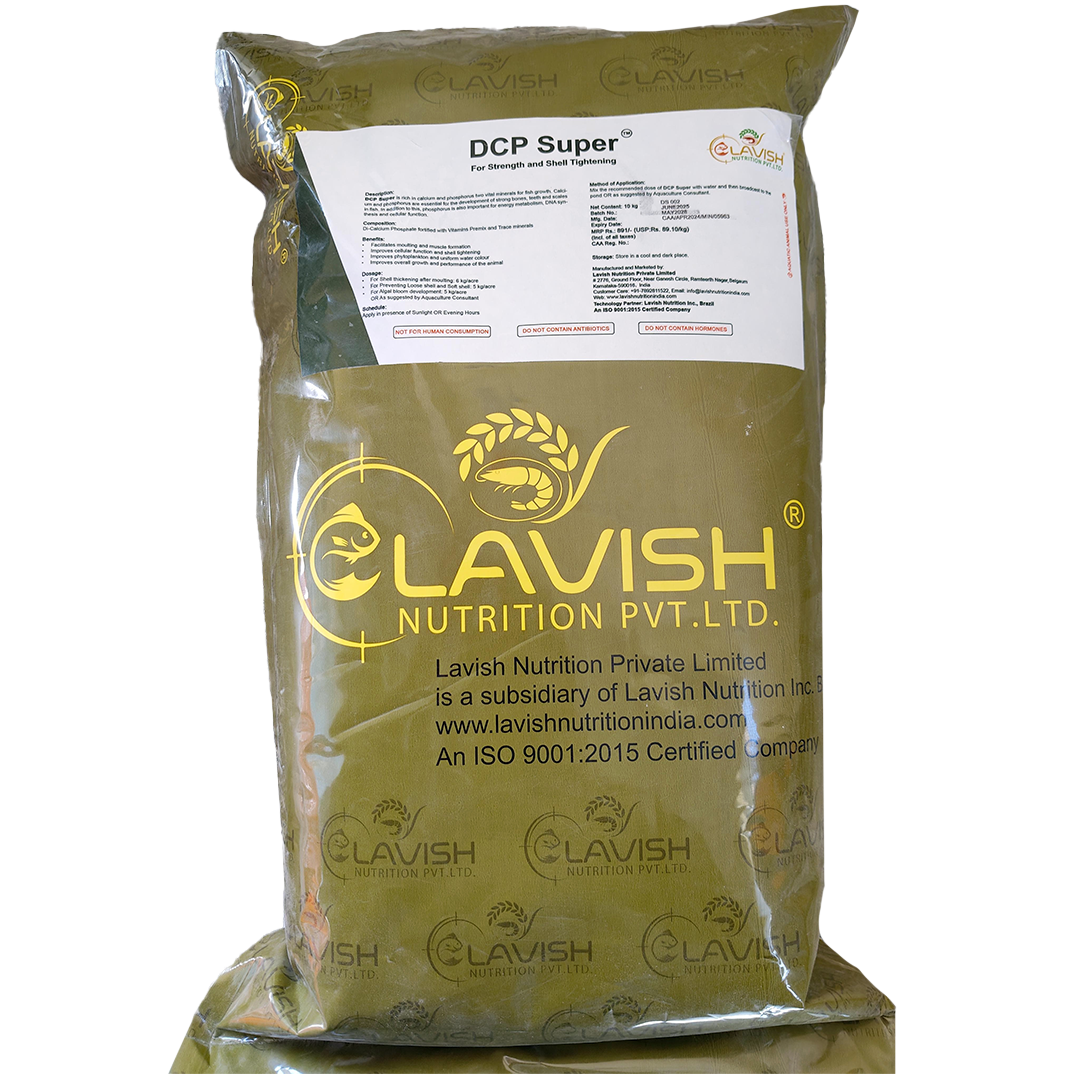
Phosphorus is one of the most essential minerals for fish growth and bone mineralization which function primarily as structural…
-
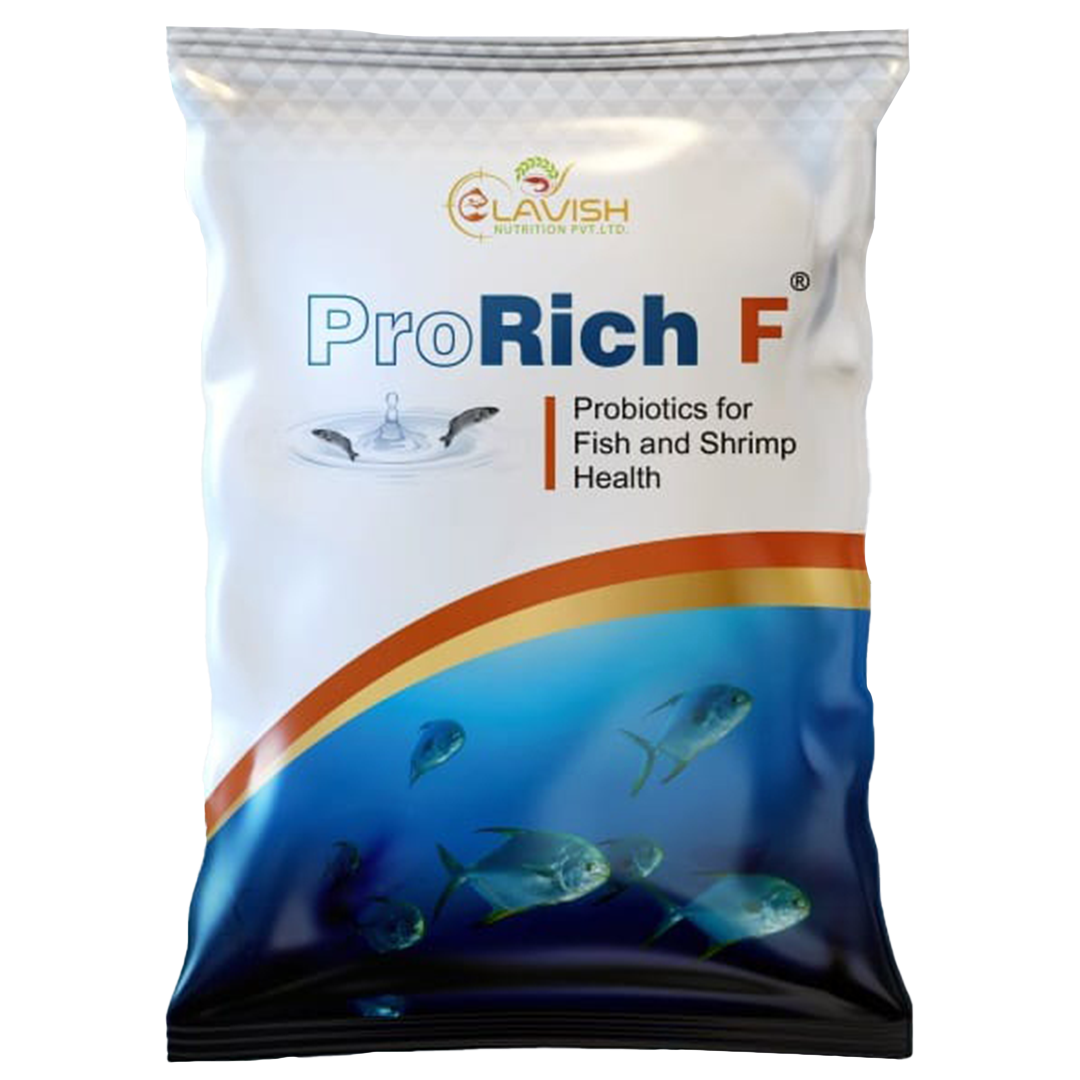
An alternative approach to manage fish health that is fast gaining attention in the aquaculture industry is probiotics, a…
-
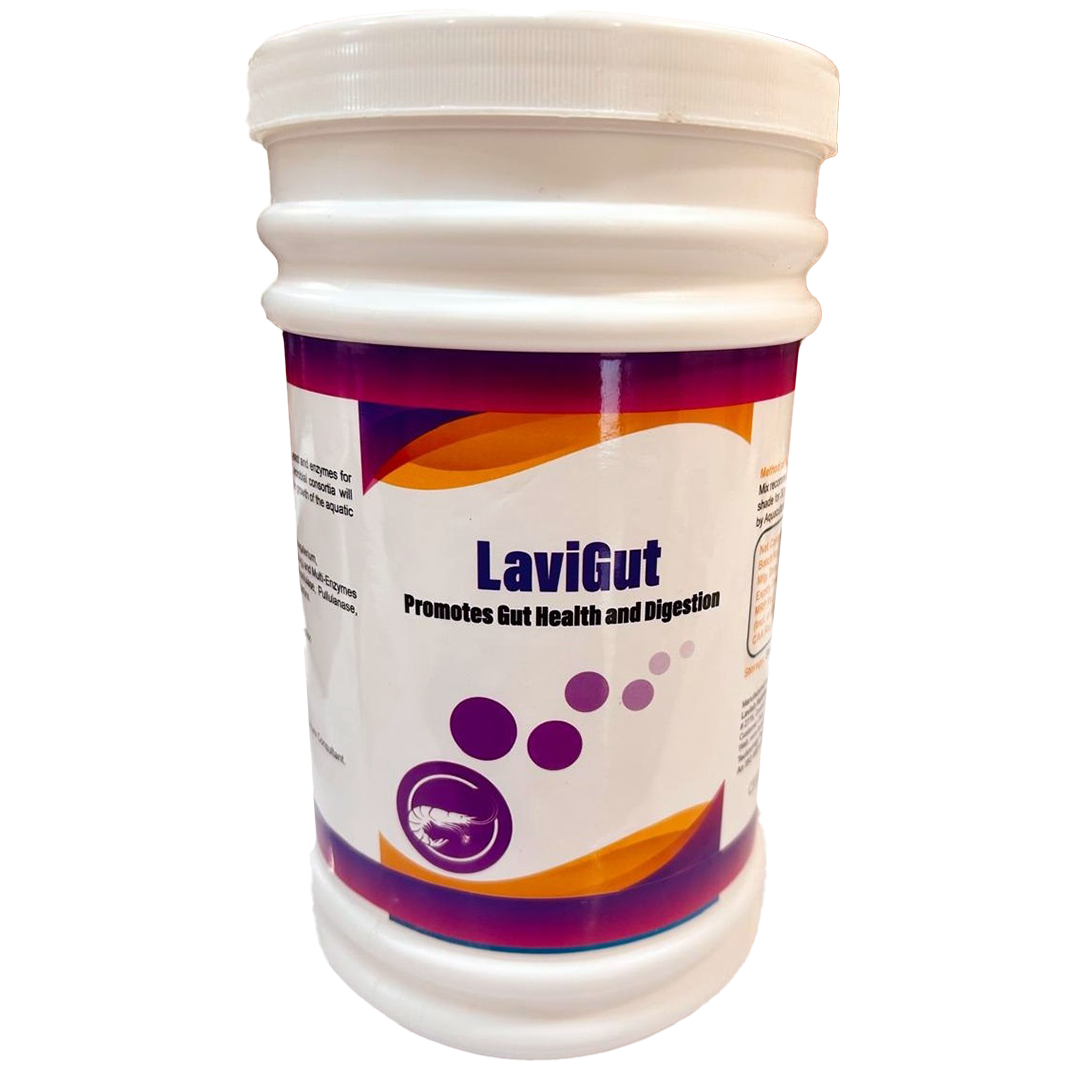
The shrimp digestive system is not sterile and hosts a living and diverse microbiota. Probiotics are used in shrimp…